
Last updated: September 2026
Is soaking in a hot tub good for you? I always suspected it was, because I feel better every time I get out of mine. So I went looking for the science, and there’s more of it (and better) than I expected.
The honest answer is that a hot tub can help with relaxation, sleep, aches and pains, and there’s some interesting research on blood pressure and heart health. But it isn’t medicine, most of the studies are small or were done in baths and labs rather than back gardens, and hot water isn’t safe for everyone. Here’s what I’d tell a friend.
The short version
- Relaxation and sleep: a warm soak 1–2 hours before bed has been linked to falling asleep faster and sleeping better.
- Aches and stiff joints: warmth and buoyancy can ease muscle tension and joint pain for many people, including some with arthritis. It’s a comfort measure, not a cure.
- Heart and blood pressure: early studies are promising, but they’re small, closely supervised or observational. Don’t swap your medication or your exercise for a hot tub.
- Keep it at or below 40°C (104°F), keep sessions short, and get out if you feel dizzy, sick or too hot.
- Take extra care (or talk to your doctor first) if you’re pregnant, have a heart condition or blood pressure problems, or take medication that affects either. No alcohol, and no children under 5.
- Look after the water. Most hot tub illnesses come from poorly sanitised water, not the heat.
A quick note before we start: I build hot tubs. I’m not a doctor. Everything below is general information with links to the sources I used. If you have a health condition, are pregnant or take regular medication, please check with your GP or doctor before you use a hot tub.
Stress relief and relaxation
Life gets stressful, and stress doesn’t do our health any favours. I’m not going to pretend there’s a clinical trial proving that my hot tub fixes a bad week at work. But warm water, some quiet and no phone is about as simple a way to switch off as I know. Watching the world go by with a bit of music on, especially on a cold evening when you can’t seem to get warm, is hard to beat.
The research on bathing and sleep (below) points in the same direction. Warm water helps the body wind down. If you use your hot tub as a regular, screen-free pause at the end of the day, that habit is probably doing as much good as the water itself.

Better sleep
My wife would certainly agree with this one. She always says how tired she is after being in the tub.
So what does the research actually say?
A 2019 review and meta-analysis in Sleep Medicine Reviews pooled the studies on warm baths and showers before bed. It found that bathing in water at around 40–42.5°C, 1–2 hours before bedtime, for as little as 10 minutes, was linked to falling asleep faster and better sleep quality and efficiency (Haghayegh et al., 2019). The likely mechanism isn’t endorphins. Warm water draws blood to your hands and feet, and that helps your core temperature drop afterwards, which is one of the body’s natural signals that it’s time to sleep.
The authors say more research is needed, and the studies were on baths and showers rather than hot tubs. But the principle carries over nicely: a short soak an hour or two before bed, not straight before you climb under the duvet. Note that 42.5°C is hotter than I’d run a hot tub. Stick to 40°C (104°F) or below, which is the upper limit the safety bodies recommend.
Aches, pains and stiff joints
Hydrotherapy is the use of water, its warmth, buoyancy and pressure, to ease pain and help people move. A hot tub isn’t a hydrotherapy pool, but it uses the same principles:
- Warmth relaxes tight muscles.
- Buoyancy takes weight off sore joints, so moving gently is easier.
- Jets give a massage effect that many people find soothing.
The UK charity Arthritis UK says hydrotherapy can help people with arthritis because the warmth relaxes muscles and eases joint pain, and the water supports your weight while you exercise. It’s worth knowing, though, that hydrotherapy pools are kept at around 33–36°C, which is a lot cooler than a typical hot tub, and sessions are usually guided by a physiotherapist. So if you have arthritis, a hot tub may well feel good, but it isn’t a replacement for physio. Ask your physio whether some gentle movement in your tub would suit you, and consider running it a little cooler.
After exercise
Lots of people like a soak after a hard session or a day of heavy work. The warmth makes stiff muscles feel looser, and it’s genuinely pleasant. I’d be careful not to overclaim, though. You’ll sometimes see claims that a hot tub helps “prevent injury” and “fights off infection”, or that a hot bath improves sleep quality “by as much as 83%”. I can’t find good evidence for any of those. If you’ve got a fresh injury that’s hot and swollen, heat isn’t usually what you want, so check with a physio.
Blood pressure and heart health: promising, but be careful
This is the area where there’s the most interesting research, and also the most potential for harm, so I want to get it right.
What happens when you get in
When you sit in hot water up to your shoulders, two things happen. The heat widens your blood vessels, which tends to lower blood pressure and raise your heart rate. And the pressure of the water pushes blood from your legs towards your chest, so your heart handles more blood with each beat. Dr Bruce Becker describes this in his review of the science behind aquatic therapy. That’s why people say immersion gives your heart a bit of a workout. It’s true in the sense that your heart is working differently, but I still wouldn’t cancel the gym.
What the studies show
| Study | What they did | What they found | The catch |
|---|---|---|---|
| Mayo Clinic researchers, Allison et al. (1993) | 15 men with stable coronary heart disease sat in a 40°C hot tub for 15 minutes, and did 15 minutes on an exercise bike on another day | Heart rate and blood pressure were much lower in the hot tub than during exercise, with no dangerous heart changes | Small, monitored, men only, and within strict time and temperature limits |
| Brunt et al. (2016) | 20 young, inactive adults. Half had 4–5 sessions a week in 40.5°C water for 8 weeks | Lower blood pressure, better blood vessel function and less arterial stiffness than the control group | A lab study with core temperature monitored throughout. Please don’t copy the long sessions at home |
| Japan, published in Heart (2020), reported by ScienceDaily | Followed about 30,000 middle-aged adults for around 20 years and compared how often they took hot baths | Daily hot bathing was linked to a 28% lower risk of cardiovascular disease and a 26% lower risk of stroke | Observational, so it can’t prove the baths caused it. An editorial also warned that hot-bath deaths rise with age and water temperature |
So the direction of travel is encouraging. Harvard Health sums it up in a similar way: hot baths and saunas may be good for the heart, but people with unstable angina, poorly controlled blood pressure or serious heart conditions should avoid them, and older people with naturally low blood pressure need extra care.
I used to say that sitting in a spa “can lower your blood pressure”, which is “great for those who are at risk for heart disease or suffer from hypertension”, but I’d put it more carefully now. Heat does lower blood pressure while you’re in the water, and that’s exactly why some people feel light-headed when they stand up. If you have a heart condition or high or low blood pressure, speak to your doctor before using a hot tub rather than treating it as a treatment.
Family time
This one doesn’t need a study. My kids love coming in the hot tub, and it’s proper quality family time, especially when the basketball and games come out. (My kids aren’t competitive. Honest.) It’s also a welcome break from the screens our kids like to glue themselves to. Just follow the rules for children further down, because they overheat faster than adults do.
Hot tub safety: who should take care
This is the most important section in this post.
Temperature and time
- Never above 40°C (104°F). The CDC and the US Consumer Product Safety Commission (CPSC) both give 104°F as the maximum. The CPSC has described 100°F (about 38°C) as safe for a healthy adult.
- Keep sessions short. Harvard Health suggests no more than 15–20 minutes. Cleveland Clinic cardiologists suggest 5–10 minutes for people with heart problems who’ve been cleared to use one. If you want a longer soak, turn the temperature down.
- Get in and out slowly, drink water, and get out straight away if you feel dizzy, sick, faint or uncomfortably hot. Good hot tub steps and a handrail help, because the light-headed moment usually comes when you stand up.
Pregnancy
The NHS advice is that you may choose to avoid hot tubs and saunas in pregnancy, because of the risk of overheating, dehydration and fainting. It says a big rise in core temperature could be harmful, particularly in the first 12 weeks, and that as hot tubs can be as hot as 40°C, it’s best to avoid them. The CDC and CPSC say to talk to your healthcare provider before using one. If you’re pregnant, speak to your midwife or doctor first.
Heart conditions, blood pressure and medication
Heat and immersion change your blood pressure and heart rate, so if you have heart disease, high or low blood pressure, or have had a heart attack or stroke, check with your doctor first. Cleveland Clinic also flags that some medicines, including beta-blockers and diuretics, can make it harder for your body to cope with heat. If you get the go-ahead, keep it cooler and shorter.
Alcohol (and drugs)
I know. A glass of fizz in the hot tub is part of the picture for a lot of people. But the CDC’s advice is clear: don’t drink alcohol before or during hot tub use. Alcohol and heat both lower blood pressure, both dehydrate you, and together they make you drowsy. The CPSC has long warned that this combination can lead to drowning. If you do have a drink, keep it to one, keep the temperature down and the session short, and never go in alone. Water in a plastic glass is the better bet.
Children
- The CDC says children under 5 shouldn’t use hot tubs.
- Older children need constant adult supervision, a lower temperature and shorter sessions, because they heat up faster than adults.
- Keep hair away from suction fittings. Modern tubs should have dual suction outlets and proper covers. On a DIY build this matters a lot, so see my main drain guide.
- Use a lockable cover when the tub isn’t in use. There’s more in my guide to hot tub covers.
Clean water is a health issue too
Warm water is exactly what bacteria like, so the biggest health risk from a home hot tub often isn’t the heat. It’s poorly looked-after water. The two you’ll hear about most are:
- Hot tub rash (Pseudomonas folliculitis): an itchy, bumpy red rash that usually appears a few days after using a poorly maintained tub. The CDC advises showering with soap and washing your swimsuit after every use.
- Legionnaires’ disease: a serious lung infection. The NHS lists spa pools and hot tubs among the places you can catch it, from breathing in droplets of contaminated water. That’s why the jets matter: they turn the water into a fine spray.
The fix is simple, boring and important: test the water regularly and keep the sanitiser up. The CDC’s guide levels are:
| Test | CDC guide range |
|---|---|
| Free chlorine | At least 3ppm |
| Bromine | 4–8ppm |
| pH | 7.0–7.8 (most hot tub guides aim for about 7.2–7.6) |
My beginner’s guide to hot tub maintenance and guide to balancing hot tub chemicals go through this step by step. If you’re choosing a sanitiser, see bromine or chlorine?, and if the water ever looks off, read cloudy water in a hot tub and what hot tub shock is all about.
What about cold plunges?
A lot of people now pair a hot tub with a cold plunge for contrast therapy. That’s a whole topic of its own, with its own safety rules (cold shock is a real risk, especially for anyone with a heart condition). If it interests you, have a read of how to build a DIY cold plunge pool and Kyle’s backyard hot tub and cold plunge combo.
Thinking about your own hot tub?
If all this has you thinking about a hot tub of your own, I’d obviously suggest building one. You can design it with the step heights, seat depths, handrails and temperature control you want, which matters if anyone in the family has mobility issues. My DIY hot tub plans give you the CAD drawings, plumbing layout, parts list and video course. And if you’re weighing it all up, have a look at the pros and cons of hot tub ownership first.
FAQs
Is it healthy to use a hot tub every day?
For most healthy adults, a short daily soak at 40°C (104°F) or lower is fine, as long as the water is properly sanitised. If you have a health condition, are pregnant or take medication that affects your heart or blood pressure, check with your doctor first.
How long should you stay in a hot tub?
Around 15–20 minutes at a time is a sensible maximum for healthy adults at 40°C. Less if the water is hotter, and 5–10 minutes if you have a heart condition and your doctor has said it’s okay. Get out at once if you feel dizzy or sick.
Can a hot tub lower your blood pressure?
Blood pressure drops while you’re in hot water, and small studies suggest regular heat therapy may lower it over time. But it isn’t a treatment. Don’t change any medication, and speak to your doctor if you have high or low blood pressure.
Can you use a hot tub when pregnant?
The NHS suggests avoiding hot tubs in pregnancy because of the risk of overheating, particularly in the first 12 weeks. Speak to your midwife or doctor.
What age can children go in a hot tub?
The CDC says children under 5 shouldn’t use hot tubs. Older children should be supervised at all times, with a lower temperature and shorter sessions.
Is a hot tub good for sleep?
Research on warm baths suggests a soak 1–2 hours before bed can help you fall asleep faster and sleep better. A short session in the early evening is better than one straight before bed.
Does your hot tub help you sleep or ease your aches? Let me know in the comments below. I read them all.
Cheers,
Andi
You can also find me on my socials;






looking for hot tub & pool parts?
I have everything you need....
If you are looking for Hot Tub & Swimming Pool Parts, either for your DIY Hot Tub, plunge pool or swim spa build, or you are looking for parts to repair your pool or hot tub - then check out my USA & UK stores below.
I carry 30K+ product lines across the stores

Can I Help You?
If I can help you in any way I would love to hear from you. You can get in touch using the form below.
Thanks - Andi
 Hi, Andi here. I own Buildahottub.com and also write all of the articles and info pages on the site. Some years back now, I built my own hot tub but struggled to find the information I needed. So, once my tub was complete, I started this website to help others in their own pursuit of hot tub and plunge pools DIY building information.
Fast forward to 2025, I've helped over 1400+ DIY customers just like you all over the world build hot tubs and pools. Have a good look around the site, there are lots of resources here. Please do get in touch if I can help you. - Cheers, Andi
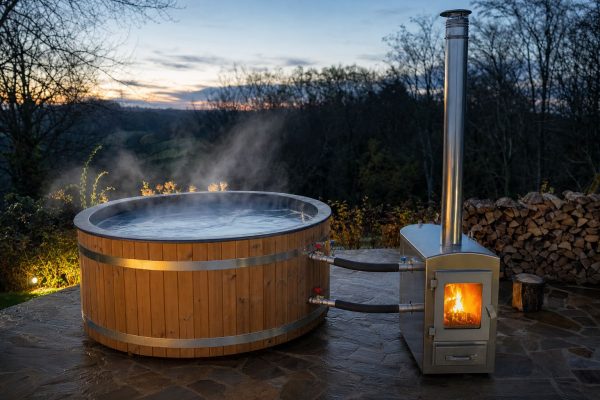
Wood-Fired Hot Tub Heaters: Internal Stove vs External Coil
A wood fired hot tub heater can be an internal stove, an external stove or [...]
Nov
Hot Tub Seats, Benches and Loungers: How to Build Them Comfortable
Hot tub seats are what you touch every time you get in. Here are the [...]
Nov
The 8ft x 8ft Hot Tub: Why It’s the Most Popular DIY Size
The 8x8 hot tub is the size I sell more plans for than any other. [...]
Nov
How Big Should Your Hot Tub Be? Sizes, Seating and Water Volume Explained
How big should your hot tub be? A practical guide to hot tub sizes for [...]
Nov
Infinity Hot Tub Cost: What the Overflow Edge Really Adds
What does an infinity edge really add to a DIY hot tub? A 2026 breakdown [...]
Oct
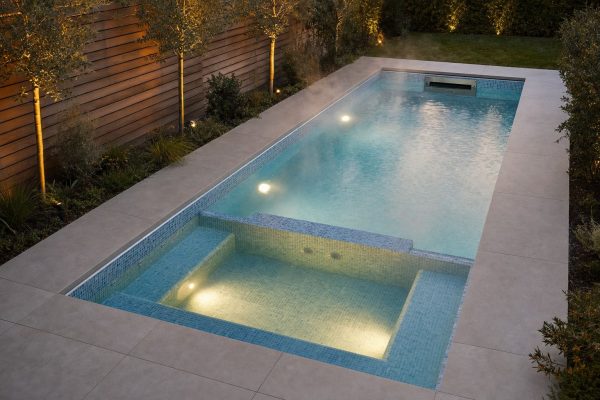
Swim Spa Sizes: How Long and Deep Does a DIY Swim Spa Need to Be?
How big should a DIY swim spa be? The minimum length for a swim jet, [...]
Oct
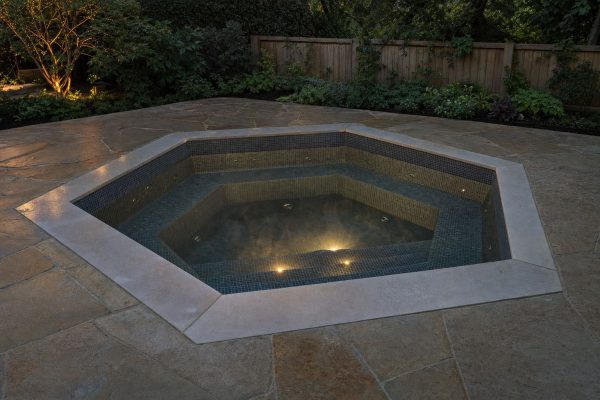
Hexagon, Round or Rectangle? Choosing a Shape for Your DIY Hot Tub
Square, round, hexagon or octagon? How each hot tub shape affects seating, water volume, the [...]
Oct
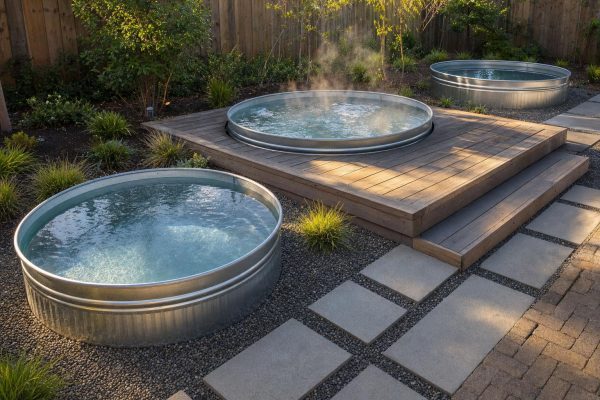
Stock Tank Sizes: Which Tank Makes the Best Hot Tub or Plunge Pool?
Stock tank sizes explained: 6ft, 8ft and 10ft round, oval and poly tanks, how much [...]
Oct